November 12, 2026
Maintaining an immaculate facility requires more than standard household cleaning techniques and off-the-shelf products. Professional cleaning technicians rely on commercial-grade materials, structured systems, and industry experience to keep commercial and residential spaces sanitary. Understanding how a commercial janitor service selects and deploys specialized supplies reveals why professional methods consistently outperform DIY efforts. By utilizing targeted chemical formulas, high-grade microfibers, surface-specific floor equipment, and strict safety guidelines, industry experts ensure every square foot meets rigorous health and presentation standards.
Choosing Commercial Formulas Over Retail Cleaners
Professional technicians select cleaning solutions tailored to specific surfaces, soil types, and disinfection requirements rather than relying on multi-purpose household sprays. A specialized janitor service utilizes concentrated, hospital-grade disinfectants and heavy-duty degreasers engineered to break down tough contaminants quickly. These commercial chemical formulations feature specific contact times necessary to eliminate pathogens effectively on high-touch surfaces like door handles, light switches, and shared counters.
Furthermore, commercial supplies are formulated to protect valuable property finishes while delivering deep cleaning power. According to IBISWorld, most cleaning enterprises operate on a very small scale, reflecting a highly fractured industry where businesses average only 1.8 to 1.9 staff members. Because many smaller operations handle diverse cleaning tasks across various facilities, having access to versatile, professional-grade chemical systems ensures small teams achieve maximum efficiency and superior sanitation results on every job site.
Matching Technical Tools to Specific Surfaces
Deploying the proper tool for each material prevents cross-contamination and surface damage. A reputable janitor service implements color-coded microfiber systems, assigning specific cloth colors to restrooms, office spaces, and food preparation areas. Microfiber materials feature split fibers that trap microscopic dust particles, bacteria, and debris far better than traditional cotton rags or paper towels, which simply spread dirt across surfaces.
In addition to color-coded microfibers, professional teams utilize advanced floor equipment like auto-scrubbers, high-speed polishers, and commercial extraction units. Stripping worn wax layers and applying durable protective coatings on vinyl composition tile, travertine, ceramic tile, or natural stone floors requires specialized pads and pH-neutral solutions. By pairing high-performance machinery with surface-appropriate cleaning products, technicians restore shine and extend the overall lifespan of delicate residential and commercial flooring.
Implementing Methodical Systems for Consistent Results
Achieving thorough sanitation requires structured processes that prevent missed spots and maximize chemical performance. A disciplined janitor service follows top-to-bottom and clean-to-dirty cleaning paths to ensure dust and soil fall onto uncleaned areas before final floor care occurs. Surface dwell times are carefully monitored so disinfectants have sufficient contact time to neutralize bacteria and viruses thoroughly before being wiped away.
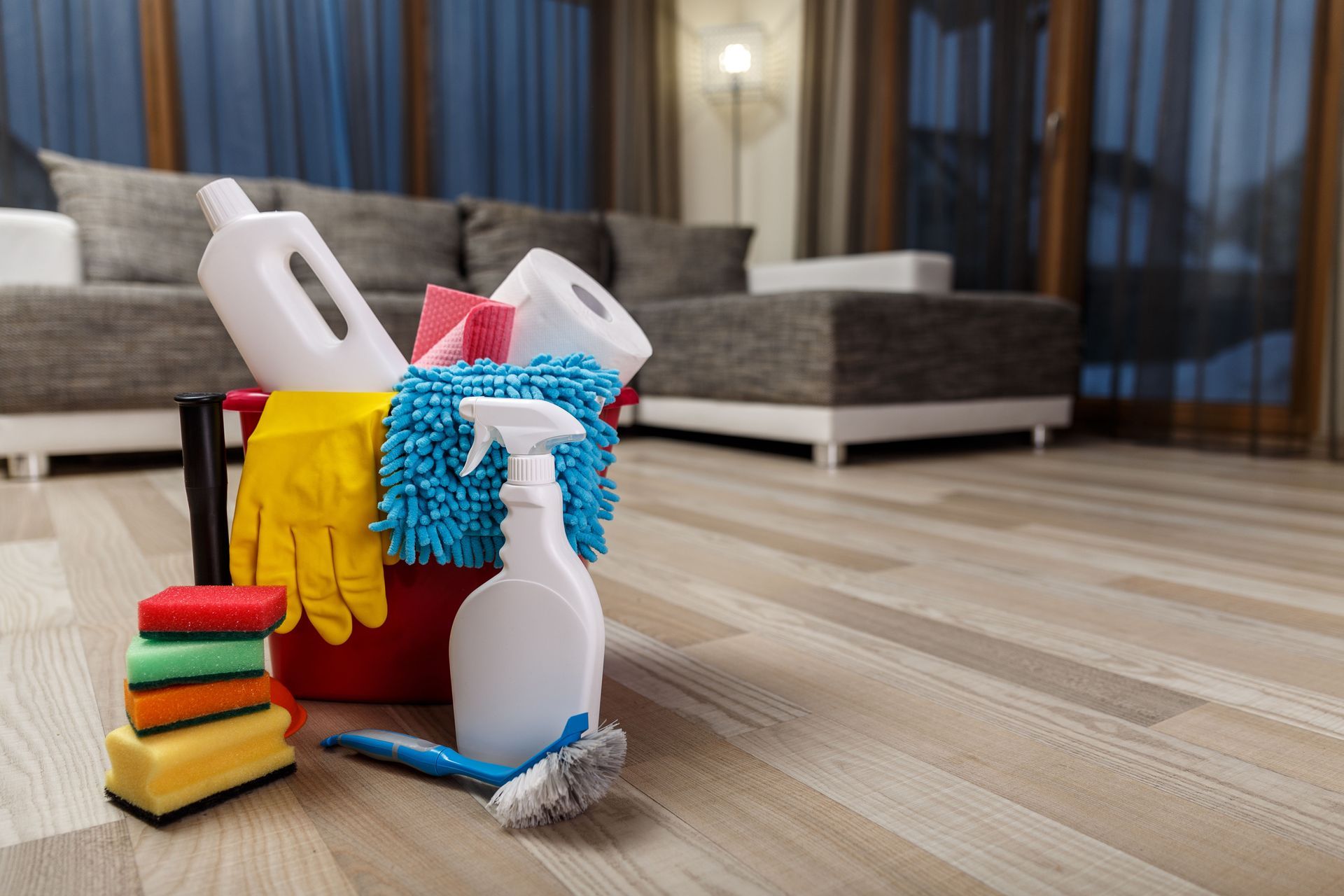
Systematic supply management also plays a crucial role in maintaining high cleaning standards day after day. Commercial cleaners keep their carts stocked with essential consumables, including antimicrobial soap, liquid hand soap, paper towels, heavy-duty trash bags, and disinfectant wipes. By maintaining organized inventory and sticking to verified cleaning sequences, professional crews complete work efficiently while delivering predictable, top-tier cleanliness across offices, homes, and public spaces.
Practicing Strict Dilution and Chemical Safety
Proper dilution control is critical when handling commercial cleaning chemicals. Commercial technicians use automated dispensing units and precise measuring equipment to blend water with concentrated formulas. Using the exact dilution ratio ensures the product cleans effectively without leaving behind sticky residues that attract dirt or emitting harsh chemical odors that disrupt building occupants.
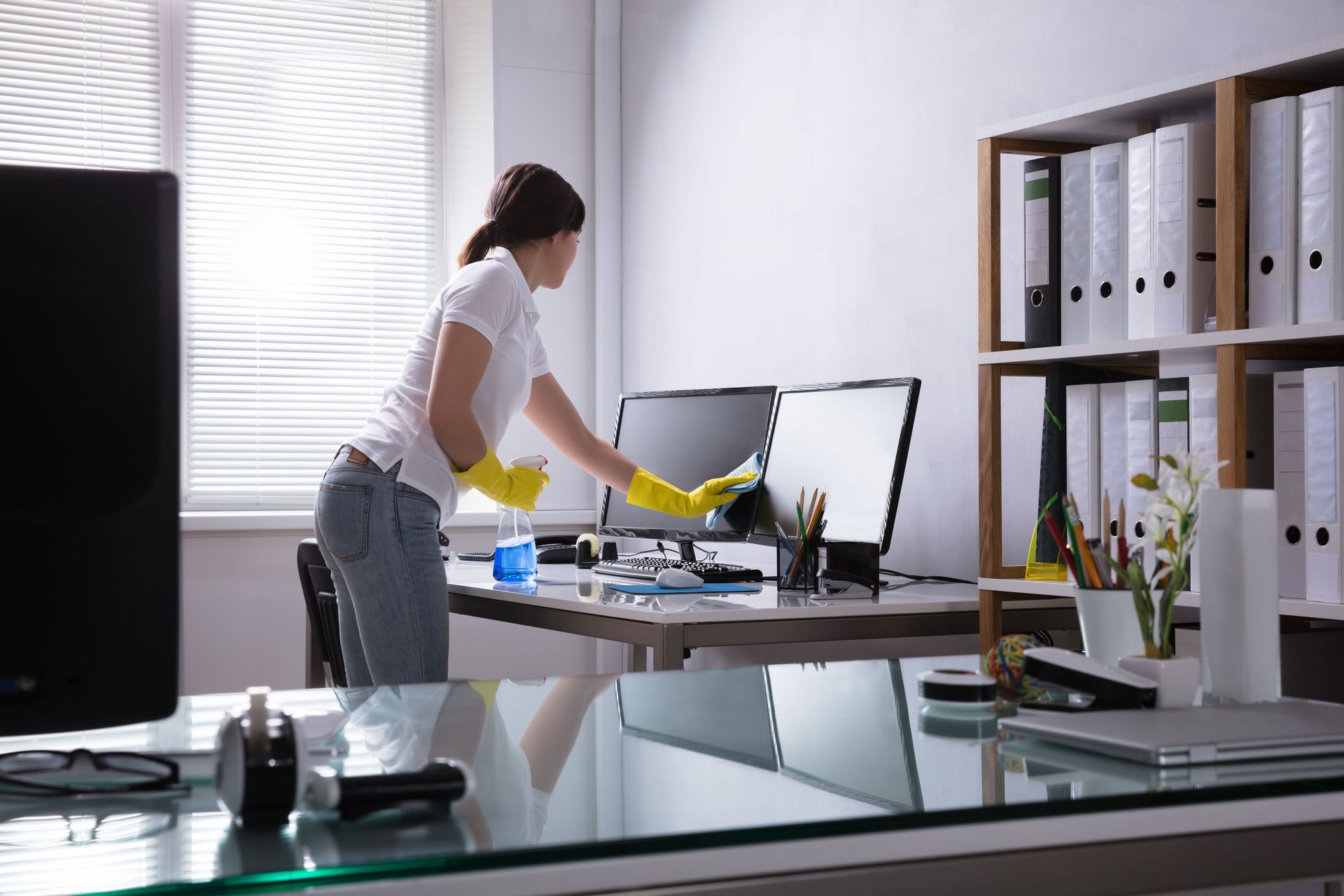
In addition to ensuring chemical effectiveness, chemical safety protocols protect both facility occupants and cleaning crews. Professional staff members wear proper personal protective equipment, including latex or vinyl gloves and safety glasses, while preparing solutions. Storing chemicals in properly labeled containers and following Safety Data Sheets prevents accidental spills and maintains a safe environment across all commercial and residential properties.
Addressing Specialized Environments and Deep Cleans
Different types of facilities require custom cleaning protocols tailored to their specific daily operations. A reliable janitor service adjusts its procedures whether servicing an industrial site, a retail store, an office suite, or a healthcare facility. High-traffic commercial areas need frequent sanitization of communal areas, whereas residential deep cleans, post-construction cleanups, and move-out services demand intensive dirt removal and specialized stain treatments.
Executing deep cleaning projects successfully depends on having direct access to industrial-grade specialty tools. Technicians employ pressure washing units for exterior concrete and brick surfaces, heavy-duty grout cleaning tools for tiled areas, and specialized upholstery cleaning equipment for office furniture and rugs. By matching specialized equipment to unique cleaning challenges, professional teams thoroughly restore spaces that standard routine maintenance can't address.
Managing Restroom Sanitation and Consumable Supply Restocking
Restrooms are critical zones where sanitation standards directly influence visitor perceptions and overall facility hygiene. Experienced cleaning crews use specialized acid-based scale removers, antimicrobial bowl cleaners, and heavy-duty grout scrubbers to eliminate deep-seated mineral deposits, urine salts, and mildew growth. Using commercial aerosol sprays and air care systems helps eliminate odor-causing bacteria at the root rather than temporarily masking unpleasant smells.
In addition to deep sanitization, maintaining fully stocked restrooms prevents the spread of germs and ensures daily user convenience. Professional teams continuously replenish crucial paper products, toilet paper, hand sanitizer, and liquid soap dispensers so facilities never run out during operating hours. By keeping essential supplies stocked and surfaces disinfected, commercial cleaners foster a healthy and welcoming workplace for occupants and guests alike.
Preventing Cross-Contamination with Color-Coded Protocols
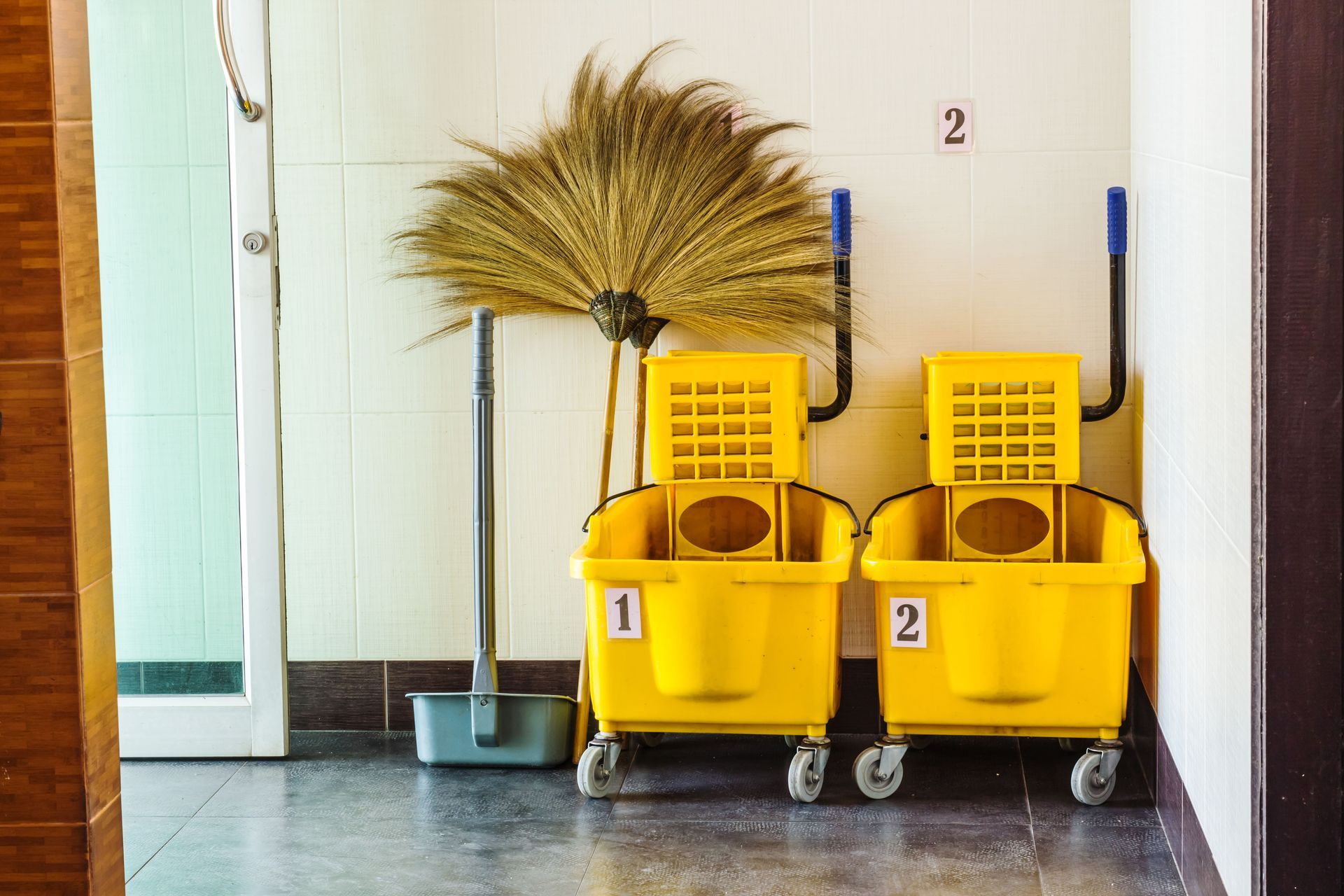
Cross-contamination poses a major health risk in shared facilities if tools used in sanitary zones are accidentally reused in clean work areas. Commercial cleaning operations establish strict color-coding guidelines for all cloths, mops, and bucket systems to keep sanitation equipment isolated. Red or yellow microfiber towels and mop heads are restricted exclusively to restrooms and fixture sanitization, while blue and green items are designated for general office surfaces, desk spaces, and kitchen counters.
Applying strict visual standards across all cleaning tasks eliminates guesswork for field personnel and protects client facilities. Color-coded bucket systems prevent soil and dirty water from transferring between different rooms or flooring types during daily floor care routines. This disciplined isolation of equipment ensures pathogens remain contained within designated areas, giving property owners complete confidence in the cleanliness and safety of their environments.
Extending Surface Lifespans through Preventative Maintenance
Beyond immediate cleanliness, professional cleaning protocols are designed to safeguard property investments and delay costly capital replacements. Daily foot traffic carries abrasives like dirt, sand, and moisture that act like sandpaper on polished stone, hardwood, vinyl composition tile, and carpet fibers. Professional technicians utilize high-performance entry matting systems, commercial vacuum cleaners with HEPA filtration, and damp-mopping routines to intercept grit before it scratches hard floors or shreds carpet backings.
Regular application of protective sealants, high-grade floor finishes, and stone conditioners creates a renewable barrier against permanent staining, traffic wear, and chemical spills. By executing routine stripping, waxing, and deep carpet extraction, specialized teams preserve the original luster and structural integrity of expensive building materials. This proactive floor care approach significantly extends surface lifespans and reduces long-term facility maintenance expenditures for property owners.
Outsourcing facility care to a dedicated janitor service eliminates the hassle of sourcing commercial equipment, managing chemical inventory, and training personnel on complex safety standards. Professional cleaning services deliver customized maintenance schedules, specialized floor care programs, day porter services, and reliable restocking of essential restroom supplies.
Professional crews arrive equipped with heavy-duty tools, green cleaning options, and proven techniques designed to address tough stains, floor restoration, and routine housekeeping needs seamlessly. Partnering with seasoned cleaning experts guarantees a healthier, safer, and more welcoming atmosphere for your entire facility. To experience top-tier commercial and residential cleaning in Greater Baton Rouge, contact Jani-Care today for a free, next-day estimate.